April 12, 2024

Bulwagang Ezekiel Moreno

Filed under: Uncategorized[email protected] @ 6:58 pm

Few towns in the Philippines can boast of their former parish priest being recognized with the highest honor that the Roman Catholic Church can bestow. Las Piñas has Father Ezekiel Moreno.


Canonized on October 11, 1992, St. Ezekiel Moreno served as parish curate of Las Piñas from July 1876 to mid-1879. The small pox epidemic in 1876, drought and crop failures in 1876 and 1878, and the devastating fire of 1879 were trials that brought out the best in St. Ezekiel. His care and concern for his parishioners endeared him to the people.

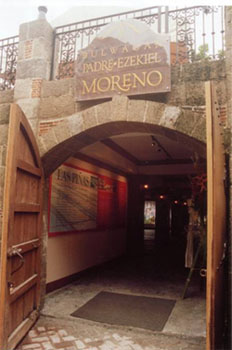
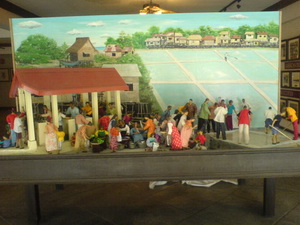
In his honor, the Congresswoman Villar built the Bulwagan Padre Ezekiel Moreno. The Bulwagan serves as an exhibit hall showcasing old photographs and artifacts of Las Piñas. The hall also serves as a
venue for various cultural and social events. A People’s Park sits atop the hall where residents can stroll or sit back and relax.

Comments (0)

Molino Dam

Filed under: Culture & the Arts[email protected] @ 6:53 pm

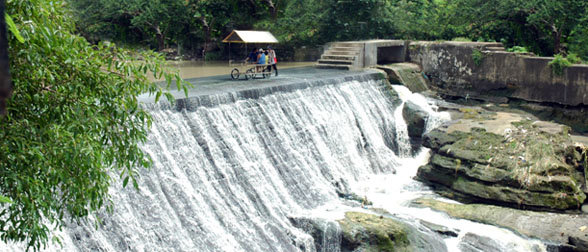
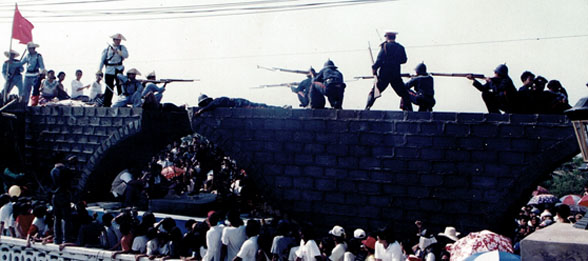
The Molino Dam’s construction has been traced between the late 18th to the early 19th century. Built by hand, the dam served the irrigation needs of the rice fields in Las Piñas and the nearby towns of Cavite. The long-drawn-out drought in 1885 moved the parish curate, Fr. Ezekiel Moreno, to request for the rehabilitation of the dam wall answer the need for food of many residents.

Rice fields can no longer be found in Las Piñas and Cavite, but the Molino Dam stands as a historic testament to the engineering prowess of 18th and 19th century residents of Las Piñas, and to serve as a recreation area and tourist attraction.

References: Crisanto, Joyce M. & Chit dela Torre. Las Piñas: A City with Heritage. Las Piñas City, Philippines: Villar SIPAG, 2006.

Romanillos, Emmanuel Lus A. Bishop Ezekiel Moreno: An Augustian Recollect Saing Among Filipinos. Quezon City, Philippines: Agustino Recoletos, Province of Saint Nicholas Tolentino, Vicariate of the Philippines and China; 1993.

Comments (0)

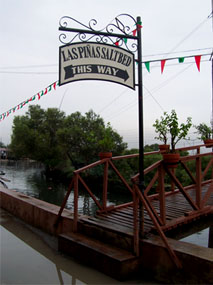
Salt Bed (Irasan)

Filed under: Culture & the Arts[email protected] @ 6:52 pm

Las Piñas was one of the earliest settlements on the fringes of Manila, which explains its colorful past that dates
back to the 17th century. It used to be a barrio of Parañaque, then a sleepy fishing village with only 1,200 residents.

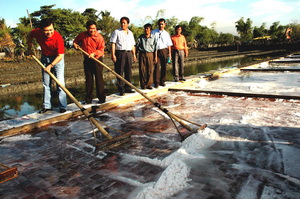
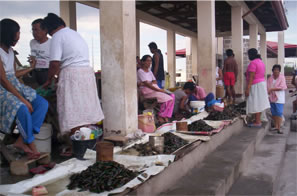
For the early Las Piñeros, the main means of livelihood were salt-making, fishing, sea shell picking and planting
rice. The community was headed by cabezas de barangay, a westernization of the local chieftains and the
principalia as the local aristocrats were called, a very durable social institution since they were the political
absorbers.

Later simple industries like dye-making, salt-production and handicrafts began to develop in the old town.

On March 27, 1907, Las Piñas was proclaimed an independent municipality by virtue of Philippine Commission
Act No. 1625.

By the 1960s, with the construction of the South Superhighway, Las Piñas became a first class municipality. Las
Piñas’ geographic proximity to Manila and its transportation became a major attraction to real estate developers
and business investors, eventually transforming this once-quiet and rustic coastal town into a booming urban
center of residential subdivisions and large industries.

The Coastal Road or the Manila-Cavite Expressway is a radial road that runs up to 6.6 kilometers and connects
Las Piñas and the province of Cavite to Roxas Boulevard in Manila and Seaside Drive in Paranaque. Its
construction in the 1970’s brought about displacement to salt makers and fishermen of Las PIñas.

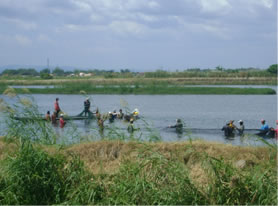
But even until now, some Las Piñeros from barangays E. Aldana, Pulang-lupa 1 and Daniel Fajardo are fisher
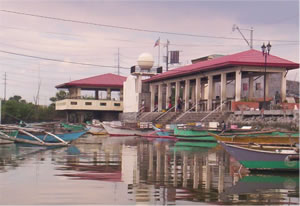
folks planting and harvesting mussels and clams as a means of livelihood. In their behalf, a fish port was
constructed in Bernabe Compound, Pulang lupa 1 to help them in their livelihood.

Las Piñas was officially included as one of the towns and cities comprising the then Metro Manila area
(now National Capital Region) in 1976.

In recognition of its rapid urbanization and steady growth, Congress passed a bill authored by former Las Piñas
Congressman Manuel B. Villar Jr. converting the municipality into a highly-urbanized city.

On February 12, 1997, President Fidel V. Ramos signed the Las Piñas cityhood bill into law. Residents approved
their cityhood in a plebiscite on March 26, 1997, making Las Piñas the 10th city of Metro Manila.

References: Crisanto, Joyce M. & Chit dela Torre. Las Piñas: A City with Heritage. Las Piñas City, Philippines: Villar SIPAG, 2006. Villar, Cynthia A. My Journey in the Las Piñas Arts & Crafts Industry. Las Piñas City: Villar SIPAG, 2008.
Comments (0)

The Las Piñas Fish Port

Filed under: Culture & the Arts[email protected] @ 6:46 pm

Las Piñas was one of the earliest settlements on the fringes of Manila, which explains its colorful past that dates
back to the 17th century. It used to be a barrio of Parañaque, then a sleepy fishing village with only 1,200 residents.

For the early Las Piñeros, the main means of livelihood were salt-making, fishing, sea shell picking and planting
rice. The community was headed by cabezas de barangay, a westernization of the local chieftains and the
principalia as the local aristocrats were called, a very durable social institution since they were the political
absorbers.

Later simple industries like dye-making, salt-production and handicrafts began to develop in the old town.

On March 27, 1907, Las Piñas was proclaimed an independent municipality by virtue of Philippine Commission
Act No. 1625.

By the 1960s, with the construction of the South Superhighway, Las Piñas became a first class municipality. Las
Piñas’ geographic proximity to Manila and its transportation became a major attraction to real estate developers
and business investors, eventually transforming this once-quiet and rustic coastal town into a booming urban
center of residential subdivisions and large industries.

The Coastal Road or the Manila-Cavite Expressway is a radial road that runs up to 6.6 kilometers and connects
Las Piñas and the province of Cavite to Roxas Boulevard in Manila and Seaside Drive in Paranaque. Its
construction in the 1970’s brought about displacement to salt makers and fishermen of Las PIñas.

But even until now, some Las Piñeros from barangays E. Aldana, Pulang-lupa 1 and Daniel Fajardo are fisher
folks planting and harvesting mussels and clams as a means of livelihood. In their behalf, a fish port was
constructed in Bernabe Compound, Pulang lupa 1 to help them in their livelihood.

Las Piñas was officially included as one of the towns and cities comprising the then Metro Manila area
(now National Capital Region) in 1976.

In recognition of its rapid urbanization and steady growth, Congress passed a bill authored by former Las Piñas
Congressman Manuel B. Villar Jr. converting the municipality into a highly-urbanized city.

On February 12, 1997, President Fidel V. Ramos signed the Las Piñas cityhood bill into law. Residents approved
their cityhood in a plebiscite on March 26, 1997, making Las Piñas the 10th city of Metro Manila.

Comments (0)

Parol Festival

Filed under: Culture & the Arts[email protected] @ 6:39 pm

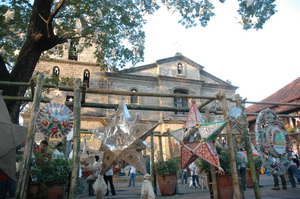
Las Piñas used to dominate the parol (Christmas lantern) industry with its traditional parols – with frames made of bamboo strips and covered with Japanese paper. Competition brought about by cheaper materials caused the decline of the industry.

In 2007, encouraged by Congresswoman Cynthia Villar, the magpaparols (parol makers) organized themselves into the Samahang Magpaparol ng Las Piñas. To support them, Congresswoman Villar set-up the Las Piñas Parol Center. The Center serves as a training area and where new designs and packaging techniques are explored together with technical people sent by the Department of Trade and Industry.

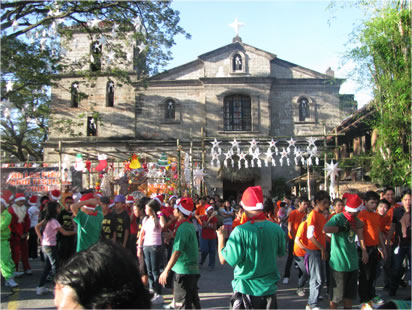
Since then, the Villar SIPAG has sponsored an annual Parol Festival showcasing the craftsmanship of the Las Piñas magpaparols and celebrating this tradition with singing and dancing.

A Parol Making Competition is held featuring the use of various materials ranging from natural (grass, leaves, etc.) to recyclable items (plastic bottles, used tin cans, etc.).

Comments (0)

Water Hyacinth

Filed under: Culture & the Arts[email protected] @ 6:31 pm
Villar SIPAG

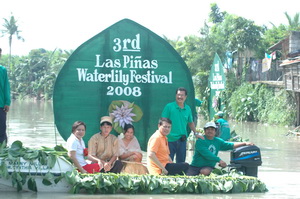
The Water Hyacinth Weaving Enterprise, which provides livelihood to over 200 families, was set up by Villar SIPAG and is given a boost during the day-long “Water Lily” Festival in July. The water hyacinths bear lily-like flowers, which has moved locals to call it water lily.

To clear the Las Piñas River of this aquatic pest, residents harvest them and dry the stalks, which become the raw material for producing baskets, trays, slippers, and other functional and ornamental items. The Festival features demonstrations on basket weaving, variety shows participated in by home-grown talents, trade fair featuring products made from water hyacinths as well as other products from the various barangay livelihood projects.

Comments (0)

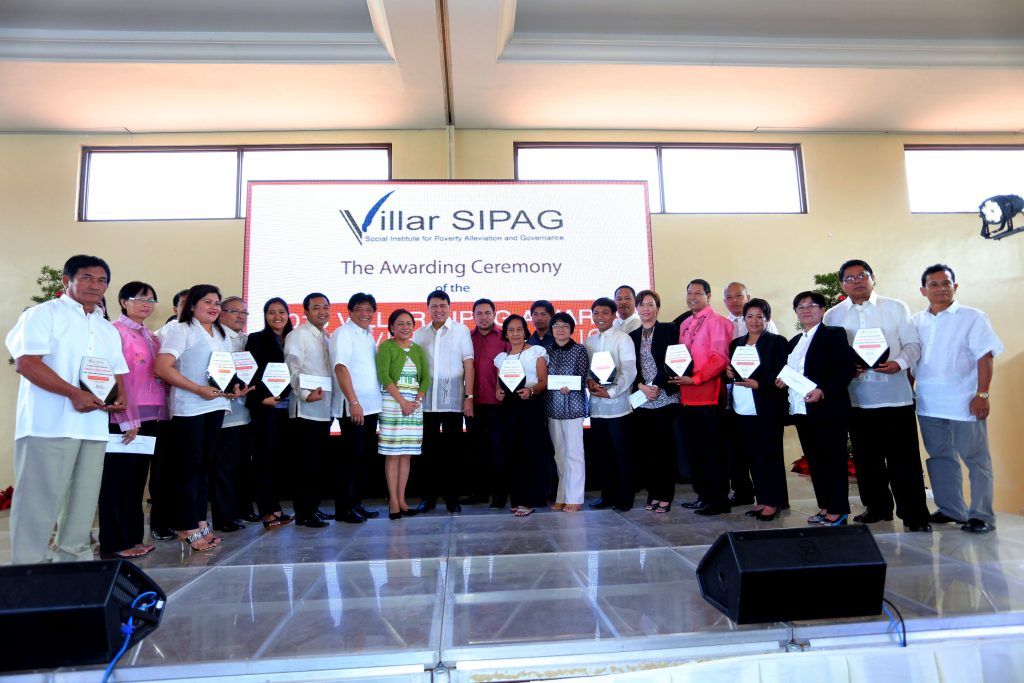
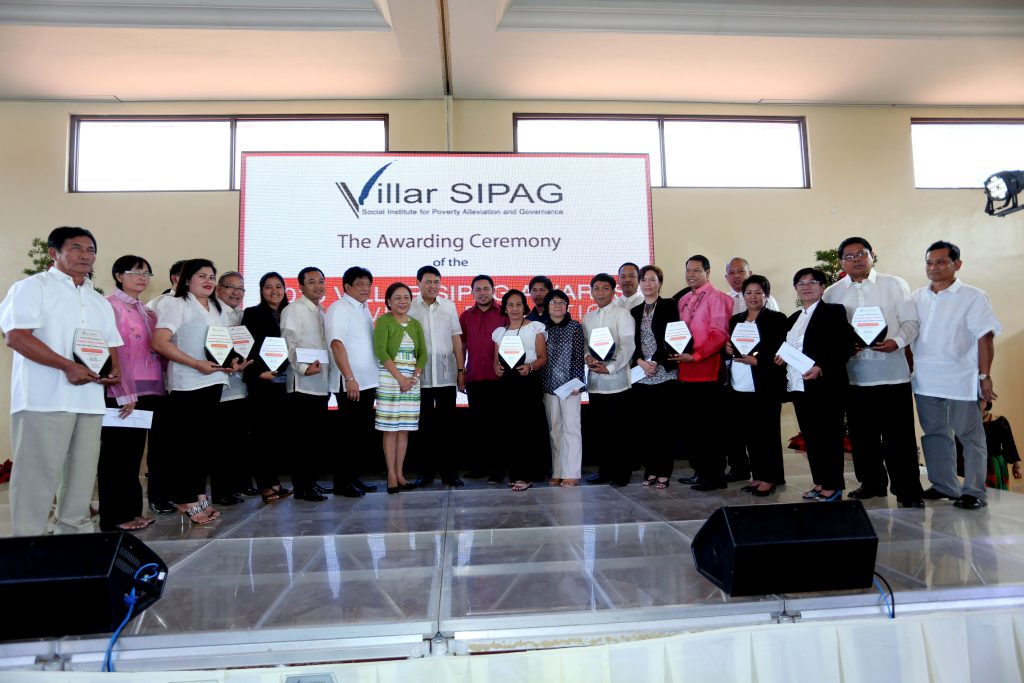
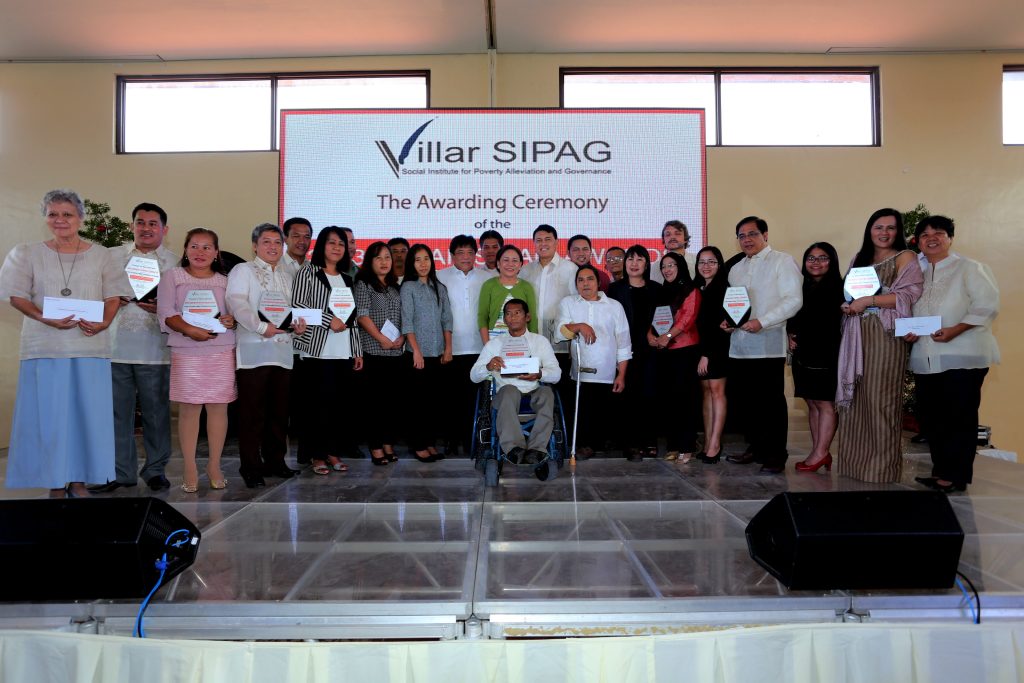
Villar SIPAG Awards’ Most Outstanding and Most Promising Community Enterprises

Filed under: Villar Social Institute for Poverty Alleviation & Governance (SIPAG)[email protected] @ 6:18 pm
Comments (0)

Planting for the Future

Filed under: Tree Planting[email protected] @ 3:41 pm
Villar Sipag

The Villar SIPAG will take the lead role in the greening of the Philippines.

To contribute to the improvement of air quality in the metropolis and provinces.

The Villar SIPAG took the lead in the greening of the southern city of Metro Manila.

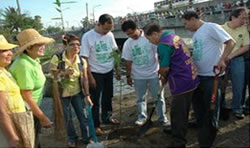
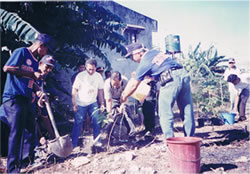
Seeking to transform open spaces in residential and public areas in Las Piñas and Muntinlupa into tree parks, the Villar SIPAG launched “Pagtatanim Para sa Kinabukasan” (Planting for the Future) on April 5, 1992. Since then, over a hundred thousand trees and flowering plants have been planted all over the city.

Tree-lined trees, lush greenery in parks and along riverbanks are what set Las Piñas apart from the other cities in the metropolis. Pagtatanim Para sa Kinabukasan has not only beautified the landscape of Las Piñas, it has also substantially helped in mitigating the ill effects of air pollution caused by vehicular emissions.

These efforts have not gone unnoticed as Las Piñas has been elevated to the Clean and Green Hall of Fame Awards.

Having seen the positive impact of this program in Las Piñas, the Villar SIPAG has expanded its efforts to other parts of the Philippines by donating seedlings to both local government units and private organizations that have partnered with them in this endeavor.

Comments (0)

Pagtatanim Para Sa Kinabukasan

Filed under: Tree Planting[email protected] @ 1:35 pm

Villar SIPAG will take the lead role in the greening of the Philippines.

To contribute to the improvement of air quality in the metropolis and provinces.

Villar SIPAG took the lead in the greening of the southern city of Metro Manila.

Seeking to transform open spaces in residential and public areas in Las Piñas and Muntinlupa into tree parks, Villar SIPAG launched “Pagtatanim Para sa Kinabukasan” (Planting for the Future) on April 5, 1992. Since then, over a hundred thousand trees and flowering plants have been planted all over the city.

Tree-lined trees, lush greenery in parks and along riverbanks are what set Las Piñas apart from the other cities in the metropolis. Pagtatanim Para sa Kinabukasan has not only beautified the landscape of Las Piñas, it has also substantially helped in mitigating the ill effects of air pollution caused by vehicular emissions.

These efforts have not gone unnoticed as Las Piñas has been elevated to the Clean and Green Hall of Fame Awards.

Having seen the positive impact of this program in Las Piñas, Villar SIPAG has expanded its efforts to other parts of the Philippines by donating seedlings to both local government units and private organizations that have partnered with them in this endeavor.

Comments (0)

Religious Grants

Filed under: Uncategorized[email protected] @ 11:55 am

Religious Grants Villar SIPAG extends grants to religious organizations across the country to support their various projects that promote the over-all wellbeing of their members. These grants are generally utilized for the construction, repair or renovation of places of worship; and other religious activities such as educational missions, ministers’ assemblies, and ordinations.

Some of the projects of the foundation are run in partnership with churches and religious organizations, like the feeding program and medical missions.

Villar Sipag
Comments Off on Religious Grants
« Newer PostsOlder Posts »